
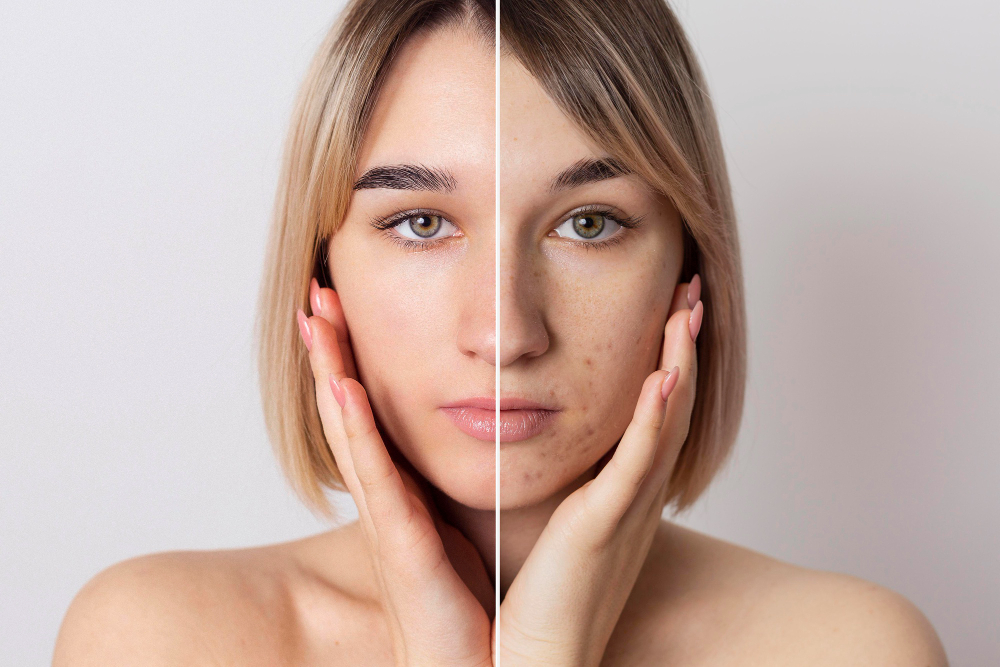
What is Skin Pigmentation?
Skin pigmentation is the color of your skin. It comes from a natural pigment called melanin. Everyone has melanin, but the amount can vary. Because of this, people have different skin tones. Sometimes, skin pigmentation changes. For example, you may notice dark or light patches. These changes can happen for many reasons. Skin pigmentation is common and affects people of all ages. According to the World Health Organization (WHO), skin conditions are among the most common health problems worldwide. Understanding skin pigmentation helps you care for your skin better.
Common Symptoms of Skin Pigmentation
Skin pigmentation changes can look different for each person. However, some signs are easy to spot. For instance, you may see:
Sometimes, these changes appear slowly. Other times, they show up quickly. If you notice new or changing spots, it is important to pay attention. Early care can help prevent further changes.
Causes of Skin Pigmentation
Many things can cause skin pigmentation changes. For example, sun exposure is a common cause. The sun’s rays can make your skin produce more melanin. As a result, you may see dark spots. But there are other causes too. These include:
According to the Centers for Disease Control and Prevention (CDC), protecting your skin from the sun can help reduce some types of pigmentation. However, not all causes are preventable.
How Skin Pigmentation is Diagnosed
Doctors use several ways to diagnose skin pigmentation. First, they look at your skin and ask about your health history. Next, they may use a special light to see changes better. Sometimes, a small skin sample is needed for testing. This is called a biopsy. In some cases, blood tests help rule out other conditions. Early diagnosis is important. It helps your doctor choose the best treatment for you. If you notice changes, see a healthcare provider for a proper skin pigmentation diagnosis.
Treatment Options for Skin Pigmentation
There are many skin pigmentation treatment options. The right choice depends on the cause and type of pigmentation. Some common treatments include:
For mild cases, over-the-counter creams may help. However, some treatments need a doctor’s care. According to peer-reviewed medical journals, results can take weeks or months. Therefore, patience is important. Always follow your doctor’s advice for safe and effective results.
Lifestyle Tips and Prevention
While not all skin pigmentation can be prevented, some steps can help. For example, you can:
In addition, eating a balanced diet and staying hydrated can support skin health. If you want to know how to prevent skin pigmentation, start with these simple habits.
When to See a Specialist
Sometimes, skin pigmentation changes need expert care. For instance, see a dermatologist if:
Early visits can help find the cause and start treatment sooner. Remember, skin health is important for your overall well-being.
Consult a dermatologist for personalized advice on skin pigmentation.